Roof Replacement Succasunna, NJ: How to Prepare Your Home and Family
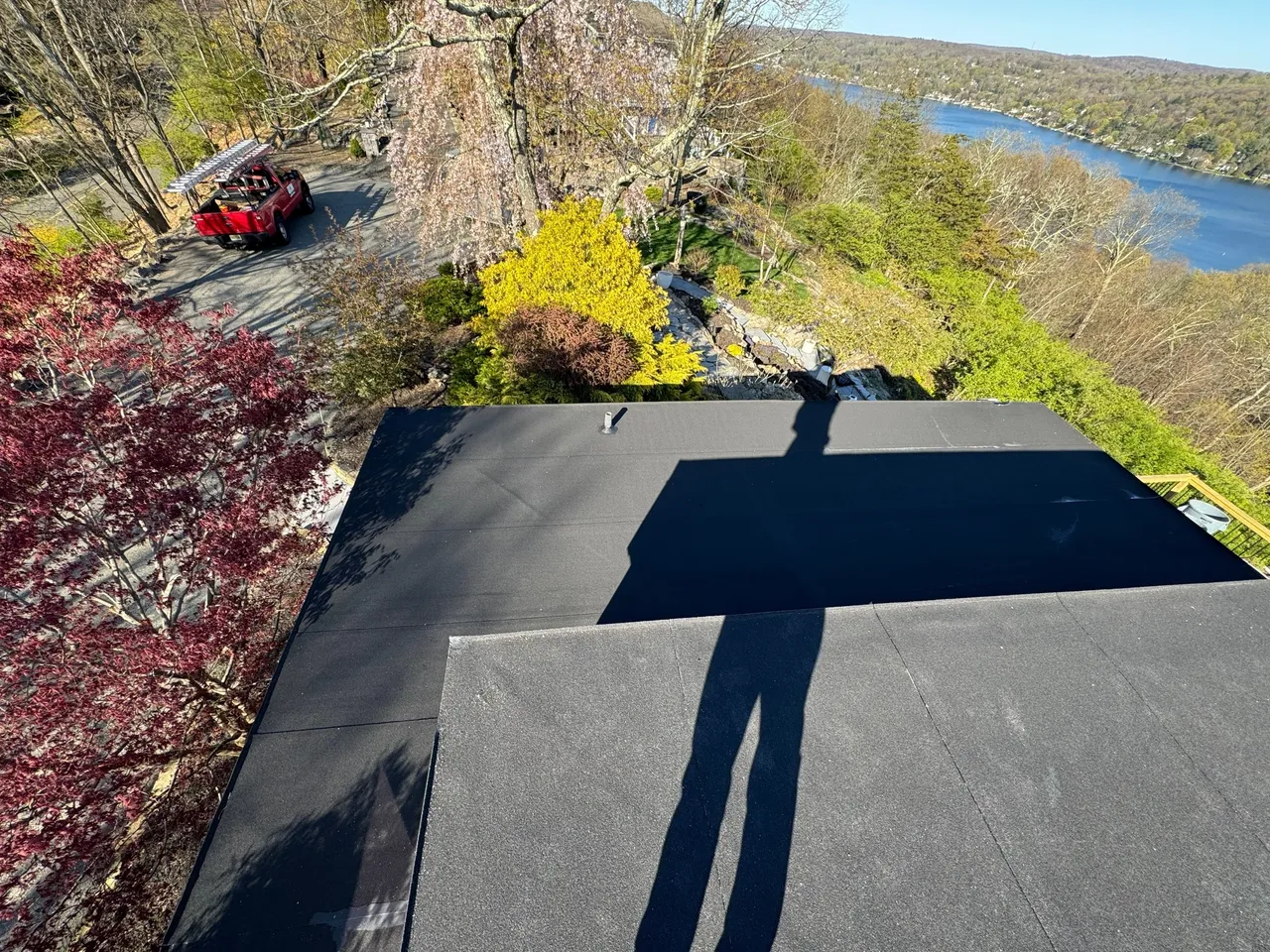
A roof replacement is one of those projects that looks simple from the street and feels much bigger once the date is on the calendar. The shingles come off, the new roof goes on, and life goes back to normal. That is the broad version. The lived version is noisier, dustier, more disruptive, and more manageable if you prepare properly.
Homeowners in Succasunna tend to ask the same practical questions once they move past color choices and estimates. Will the kids be able to nap? What do we do with the dog? Should the cars stay in the driveway? Is anything inside the house at risk? Those are the right questions. A roofing crew can replace materials efficiently, but your day-to-day comfort depends on what happens before the first truck arrives.
If you are planning a Roof Replacement Succasunna, NJ project, the best preparation is not complicated. It is mostly about anticipating vibration, protecting a few vulnerable areas, and adjusting household routines for a day or two. The houses in this part of Morris County vary, from older colonials with plenty of attic character to newer homes with attached garages and open living spaces, but the preparation principles hold up across the board.
What roof replacement day really feels like
Most people underestimate the sound. Roof work is not a gentle home improvement project. It is a crew moving with purpose, tear-off material sliding into dumpsters, compressors cycling, nail guns firing, boots crossing plywood, and constant impact overhead. Even a well-run job can feel intense from inside the house.
The vibration is the second surprise. Walls do not shake dramatically, but picture frames can shift, dust in attics can loosen, and items on shelves may rattle. If you have ever had old plaster or drywall seams that liked to remind you they exist, roof work can bring that out. That does not mean something is going wrong. It means your house is responding to the activity above it.
Then there is the traffic. Roofing projects bring trucks, dumpsters, deliveries, and workers who need room to move safely. A typical single-family roof replacement might be done in a day or two, depending on roof size, complexity, weather, and whether decking repairs are needed. The shortest projects still create a full day of interruption. The longer ones reward a little planning even more.
Start with the schedule, not the shingles
Before you move patio furniture or cover heirlooms, get clear on the projected timeline. Ask the contractor when materials will be delivered, when the dumpster will arrive, what time the crew expects to start, and whether any plywood replacement is likely. If the home has multiple roof sections, dormers, valleys, skylights, or steep pitches, ask whether that changes the duration.
Weather matters in Succasunna. Roofing schedules can shift because of rain, wind, or extreme heat. A good contractor will usually keep you updated, but homeowners who do best with these projects treat the date as likely rather than sacred until materials are on site and the forecast holds.
It also helps to ask a less obvious question: what should the homeowner expect at each stage? Tear-off sounds different from installation. Flashing work around chimneys and vents can take more time than you might assume. Cleanup is not an afterthought, but it does not begin the minute the last shingle goes on. Understanding the sequence makes the day feel more predictable.
Protect the inside of the house from vibration and dust
Preparation indoors is mostly selective. You do not need to drape every chair in plastic or empty your kitchen cabinets. You do need to think about anything fragile, loosely mounted, or sentimentally irreplaceable.
Wall decor is the first thing I would check. Mirrors, framed art, decorative shelves, and anything mounted on walls or sitting on mantels should get a second look, especially on upper floors. Sometimes the safest move is taking a few items down for the day. If a picture has always hung a little crooked or the mounting hardware was a weekend shortcut from five years ago, this is not the day to trust it.
Attics deserve attention too. During a roof replacement, old debris and fine dust can sift downward, particularly in older homes. If you store luggage, seasonal clothes, holiday decorations, or keepsakes in the attic, cover them with light plastic sheeting or old bed sheets. Cardboard boxes are not airtight. If the attic is partially finished or used regularly, expect some cleanup afterward.
On upper-level shelves, remove lightweight breakables. In kitchens and bathrooms below the roofline, most everyday items are fine, but stemware, porcelain figurines, and glass collections are poor candidates for a roofing day stress test. This is especially true in homes where cabinet tops are used for display.
If you have had minor ceiling issues in the past, such as hairline cracks or patched drywall seams, do not panic. Roof work can make existing cosmetic flaws more noticeable. It is wise to photograph ceilings and walls in rooms you are concerned about before work starts. That gives you a clean record of pre-existing conditions and peace of mind if you think something changed.
The driveway, garage, and yard need a plan
One of the easiest mistakes homeowners make is leaving cars in the driveway because they assume the crew can work around them. Sometimes they can. You still do not want to risk nails, debris, or blocked access. Move vehicles to the street or another safe area before the crew arrives, especially if a dumpster is being placed close to the garage.
The garage itself can become a temporary landing zone for dust and vibrations. If the garage ceiling sits directly under part of the roof deck, expect noise overhead all day. If you keep delicate tools, hobby equipment, or shelves packed to the edge, give them a quick stabilization check.
Outside, think about what sits close to the house. Potted plants, grills, outdoor dining sets, kids' toys, and decorative items should be moved away from the work area. Roofers use tarps and take precautions, but falling debris during tear-off is part of the process. Shrubs and foundation plantings can usually stay put, though very delicate planters near entryways are better off moved for a day.
If you have lawn irrigation near the perimeter of the house, mention it to the contractor. Exposed sprinkler heads can be vulnerable around ladders and cleanup zones. The same goes for low-voltage landscape lighting.
Children, pets, and anyone working from home
Families feel roof replacement more than empty houses do. The project is temporary, but the noise can be overwhelming for children, pets, older adults, and anyone trying to join a video call from the upstairs office.
For small children, the challenge is not just volume. It is unpredictability. The pounding overhead can make naps impossible and can unsettle kids who are used to the house sounding a certain way. If you have an infant or toddler, this is one of the few projects where spending part of the day elsewhere is often worth it. A grandparent's house, a library trip, errands, or a long park morning can turn a stressful day into a manageable one.
Dogs often react strongly to roofing noise. Even calm dogs can bark constantly, pace, or refuse to settle. Some need to be boarded for the day, especially if strangers coming and going will keep them on alert. Cats usually hide, but they can still be stressed by the disruption. If pets are staying home, keep them in a secure interior room away from exterior doors, and let the crew know they are there.
Working from home during a roof replacement is possible in theory and miserable in practice for many people. If your job involves meetings, concentration, or confidential calls, arrange another Roof Replacement Succasunna, NJ Royalty Exteriors location for at least the loudest phase. Coffee shop Wi-Fi has its limits, but even a half day elsewhere can save a lot of frustration.
Here is a short household checklist that tends to prevent the most common headaches:
- Move vehicles out of the driveway and away from the garage
- Take down fragile wall hangings on upper floors
- Cover attic storage and valuables near the ceiling line
- Make arrangements for pets, naps, or remote work
- Clear the yard around the house, including grills and planters
Think through access and communication
A smooth roofing project usually comes down to clear access and fast communication. If your gate sticks, your side yard is narrow, or one exterior outlet does not work, mention it before the project starts. These details sound small, but they affect setup time and how easily the crew can work.
It also helps to choose one decision-maker for the day. If two spouses, a tenant, and a parent all field questions separately, details can get muddled. Pick one person to be available by phone. Ask the contractor who your point of contact will be on site, whether it is the owner, project manager, or crew leader.
Leave gates unlocked if needed, but secure anything you do not want accidentally accessed. If the crew needs power, confirm which exterior outlet they can use. If there are any known quirks, like a back door that swells and sticks in humid weather or a garage keypad that only works on the second try, tell them ahead of time.
Older homes in Succasunna come with extra considerations
Many homes in and around Succasunna have enough age to bring a little uncertainty into the project. Older roof systems can hide more than newer ones. Once shingles come off, contractors may find soft decking, outdated ventilation details, or flashing that has outlived several patch jobs.
That does not mean every older home turns into a surprise invoice. It means homeowners should leave room in the budget and mindset for the possibility of minor wood replacement or scope adjustments. A contractor cannot responsibly promise that every sheet of decking is perfect before the roof is opened up.
Inside older homes, the effects of vibration can also be more noticeable. Plaster walls, older trim, and long-settled framing sometimes announce themselves during exterior work. This is usually cosmetic, not structural, but it is one reason the preparation step matters. If you already know a certain hallway light fixture shakes when someone closes the upstairs bathroom door, assume it will shake more when a crew is tearing off shingles.
Weather changes everything, especially in New Jersey
A roof replacement schedule in New Jersey is always partly a weather schedule. Summer heat can slow crews in the afternoon. Sudden rain can delay tear-off or require work to pause while sections are secured. Fall is popular for roofing, but shorter daylight hours can compress the workday. Winter projects are possible, though not every roofing material behaves the same way in cold temperatures.
For homeowners, weather planning is less about technical installation details and more about flexibility. Do not plan a backyard gathering for the afternoon of your roofing date. Do not expect the driveway to be free by lunchtime because the forecast looked good three days ago. Keep your household calendar light enough to absorb a delay.
If severe weather is in the mix, ask the contractor how they handle mid-project protection. Reputable roofers plan for this. Even so, homeowners feel better when they have heard the answer before clouds show up.
What to do the day before
The day before a roof replacement is when small tasks pay off. You are not trying to deep clean the house. You are trying to eliminate preventable annoyances.
Walk the perimeter of the home and identify anything that should be moved. Then do a quick pass indoors on the top floor. Check picture hooks, shelf displays, and attic access. Put a note on the inside of the front door if there is something important to remember in the morning, such as "cars out" or "dog to daycare."
If you have neighbors nearby, a heads-up is a courtesy worth extending. You do not need a long speech. A simple note or quick conversation telling them roof work is scheduled for a certain day is enough. In tighter neighborhoods, it can help if they know trucks may park near the property or that there will be noise starting early.
The final pre-project step is practical: charge your phone and keep it with you. If the contractor finds a problem area or needs an immediate answer on vent placement, plywood replacement, or access, delays often come from homeowners being unreachable.
The day of the project
Roofing crews usually start early, and once they begin, the pace is fast. If you are staying home, expect the first hour to feel busiest as ladders, materials, and protective tarps are positioned. Keep children and pets away from entrances the crew is using. Resist the temptation to walk around outside under active work zones. Even with caution and cleanup efforts, this is not the day for yard projects or garage organizing.
Inside, keep windows closed. That helps with dust and noise, though it will not eliminate either. If you have central air and decent filtration, use it. If parts of the house are especially exposed to attic dust, a portable air purifier can help, but it is a comfort measure, not a requirement.
Most homeowners do not need to supervise the project minute by minute. In fact, hovering tends to slow things down. Be available, not omnipresent. A good contractor benefits more from clear access and quick communication than from an audience.
If the crew identifies damaged decking or another issue once the roof is open, ask for a plain-language explanation and photos if appropriate. This is where experience and trust matter. Hidden problems are a real part of roofing, but you should still understand what was found, why it needs attention, and how it affects cost and timing.
This basic timeline helps families know what to expect during a typical replacement day:
- Early morning setup, materials, ladders, protective tarps, and driveway activity
- Tear-off phase, the loudest period, with heavy debris movement and constant impact noise
- Deck inspection and any needed repairs, which can slightly extend the schedule
- Underlayment, flashing, and shingle installation, still active but often more rhythmic
- Cleanup and magnetic sweep, followed by a final walkthrough or status update
Cleanup matters more than most people realize
When homeowners think of a roof replacement being "done," they usually mean the new roof is installed. In practice, cleanup is part of the job, not an optional extra. Nails, shingle scraps, packaging, and wood fragments can spread farther than expected, particularly around flower beds, driveways, and side yards.
A professional crew should use tarps, manage debris continuously, and perform a magnetic sweep. Even so, do your own careful walkaround once the project is complete, especially if you have children who play in the yard or pets that sniff everything. Pay attention to less obvious spots, like mulch beds, gravel strips, and the edge where the driveway meets the lawn.
If you have outdoor furniture or items stored near the house, wipe them down before putting everything back. Fine grit and dust can settle even when a crew keeps the site orderly.
After the crew leaves
The house usually feels oddly quiet after a roof replacement. That is when the last part of preparation pays off: taking a calm look at everything instead of rushing back to normal. Step outside and view the roof from several angles if you can. Check that gutters are clear, downspouts are reattached if they were removed or loosened, and property access points are secure.
Inside, expect a little dust if the home is older or the attic is active storage space. Vacuum or wipe down surfaces as needed. Rehang wall decor only after you are sure everything is stable and clean.
Keep project paperwork, warranty information, color details, and any photos together. Homeowners almost never regret this. It makes future maintenance, resale questions, and insurance documentation much easier.
The project goes better when expectations are realistic
A roof replacement is disruptive, but it should not feel chaotic. The difference usually comes down to expectations. If you expect a quiet workday at home, a sleeping toddler, and a pristine driveway by noon, the project will feel harder than it needs to. If you expect noise, temporary inconvenience, and a house that needs a little resetting afterward, it is much easier to manage.
That is especially true for Roof Replacement Succasunna, NJ homeowners who are juggling work, school schedules, pets, and weather windows. The roof itself is the visible result, but the homeowner experience is shaped by the preparation. Move what matters, protect what is fragile, plan for noise, and stay reachable. Most of the stress disappears once you stop trying to preserve a normal day and instead prepare for a productive one.
A new roof is a major upgrade to a home. It protects everything under it, improves curb appeal, and often resolves years of small leaks, aging materials, or patchwork repairs. The installation day may be loud and messy for a short stretch, but when the prep is done right, the process feels controlled, and the result is worth it.
Royalty Exteriors
151 NJ-10 Suite 103A, Succasunna, NJ 07876, United States
+1 973-333-7234
FAQ About Roof Replacement Succasunna, NJ
What are signs a roof needs replacing?
Widespread shingle deterioration, repeated leaks, or damaged decking can point to a larger problem. A roofer can inspect the roof covering, flashing, and deck to determine whether the damage is localized or whether replacement makes more sense.
How long does it take to reroof a 2000 square foot house?
Royalty Exteriors estimates one to three days for many single-family roof replacements. A house’s floor area does not tell you the actual roof area. Pitch, roof features, weather, and any decking repairs can change the schedule.
How long should a roof last in NJ?
There is no single lifespan for every roof. Material, installation quality, attic ventilation, maintenance, and exposure to storms all affect how long a roof remains serviceable. An inspection can help you assess its condition and plan for replacement.